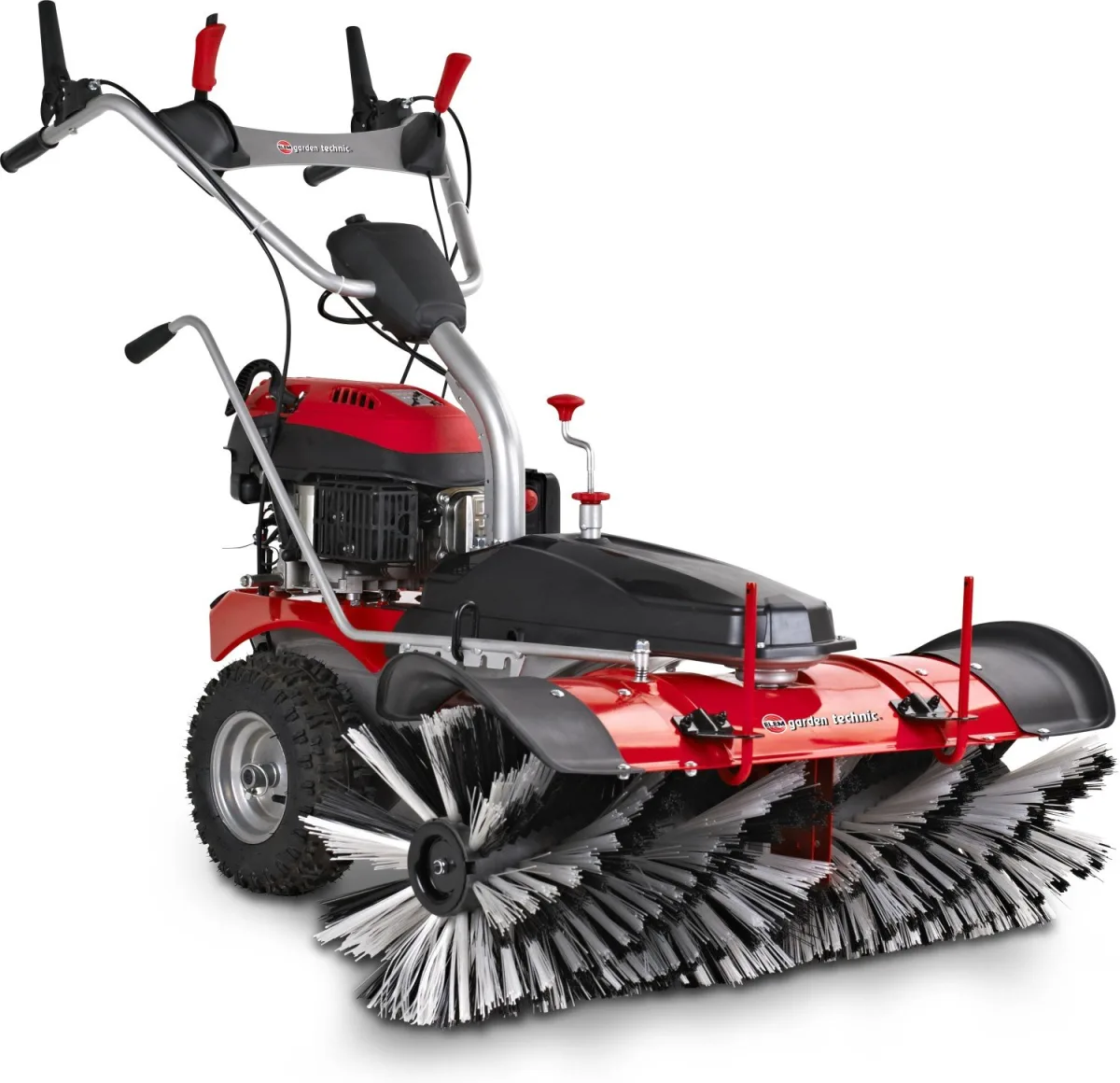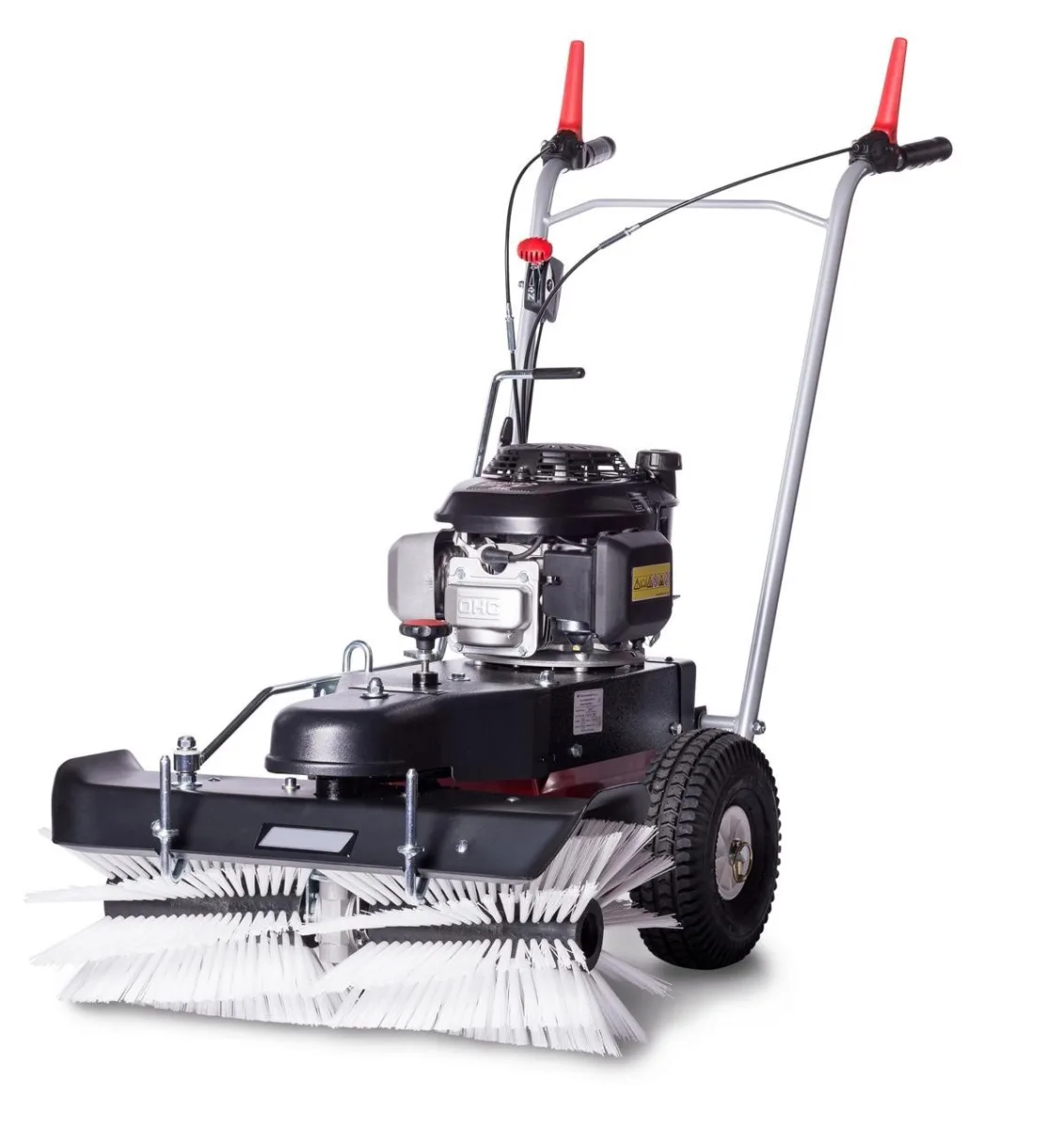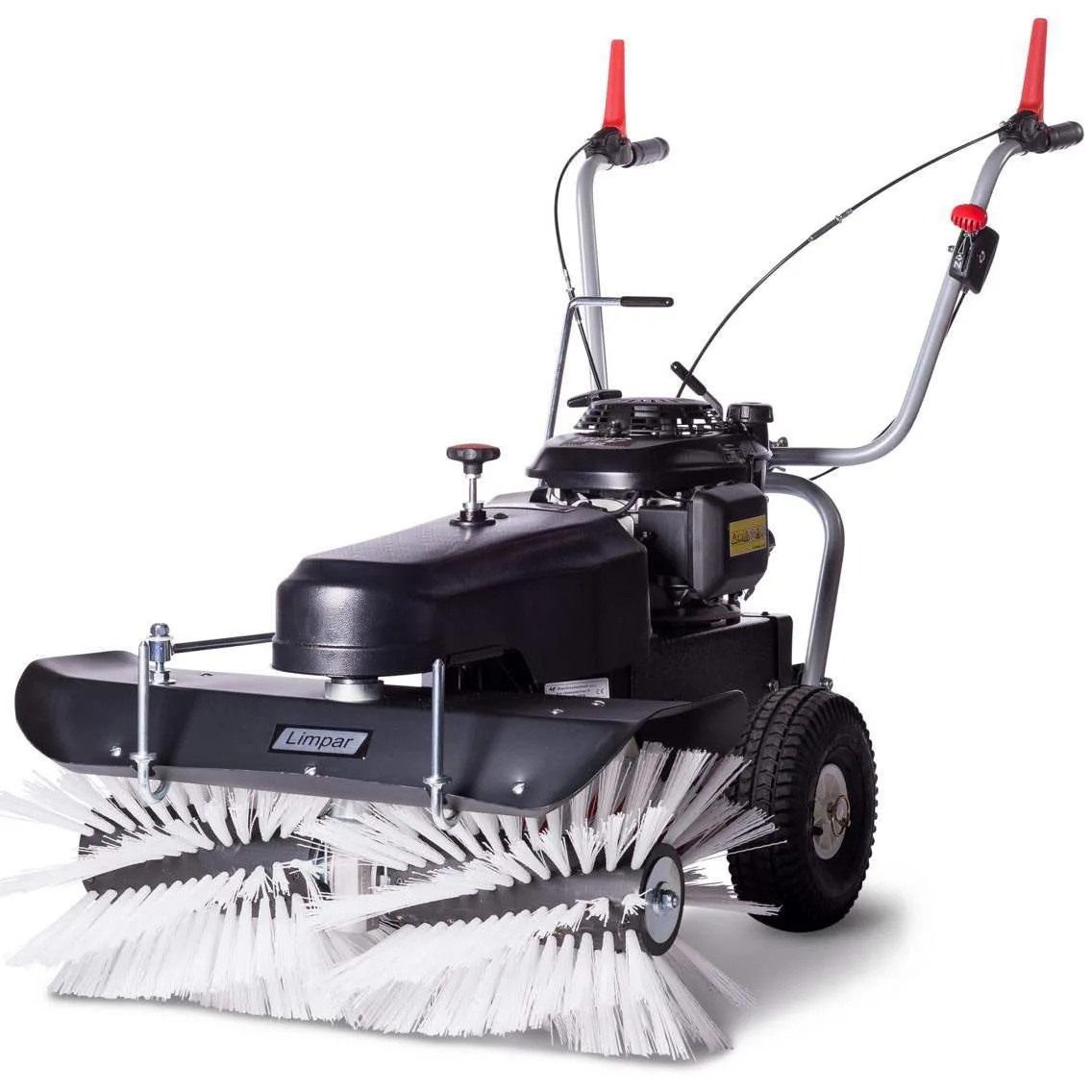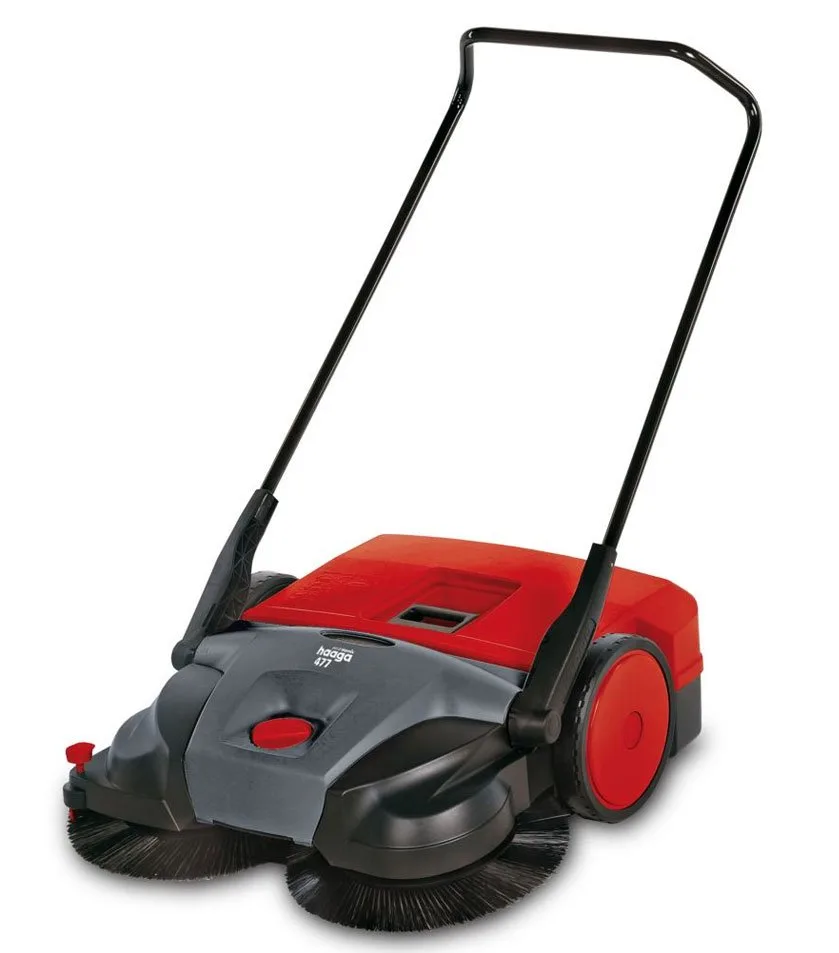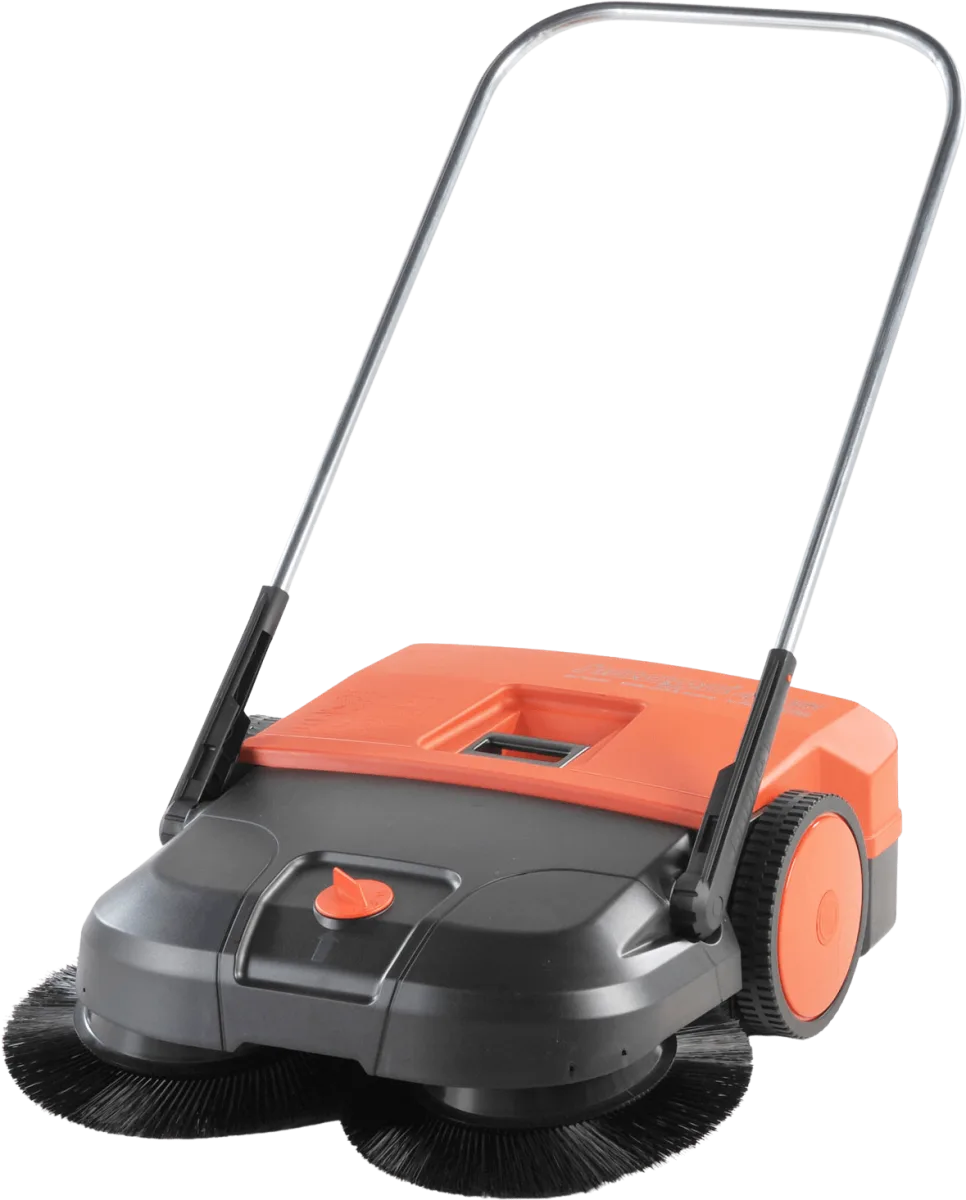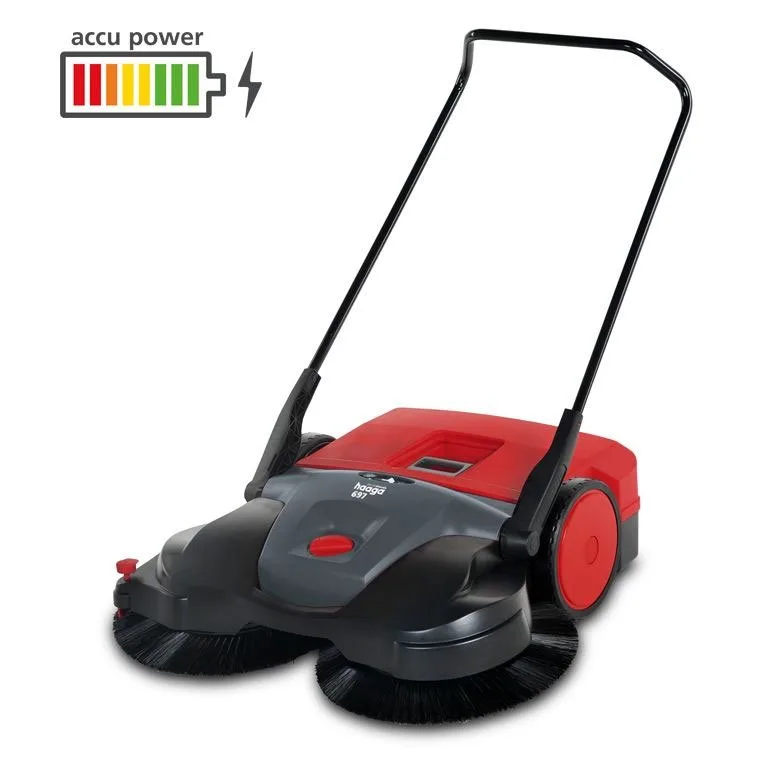
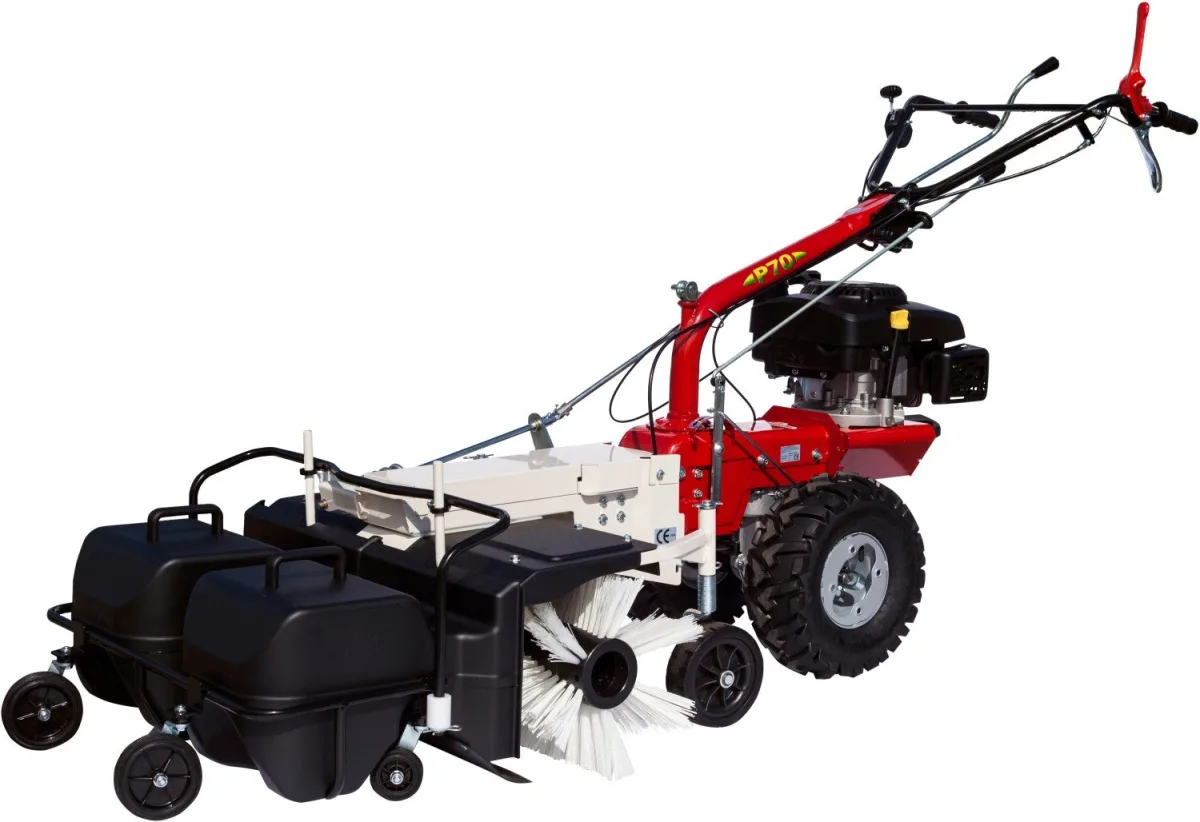
P70 Petrol Sweeper with Brush and Collection Hopper
€1,402.58 incl. VATi.e. €1,297.48 excl. VAT
In stockWorkshop and garage
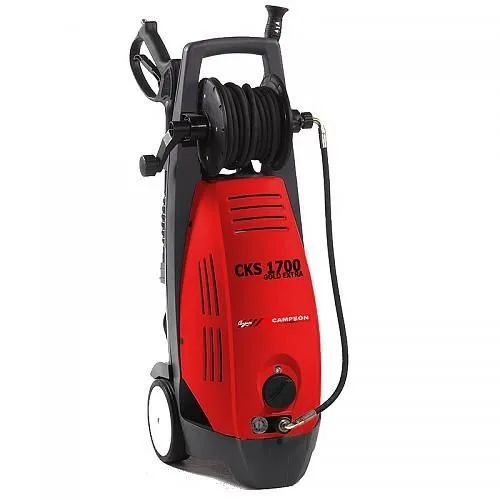
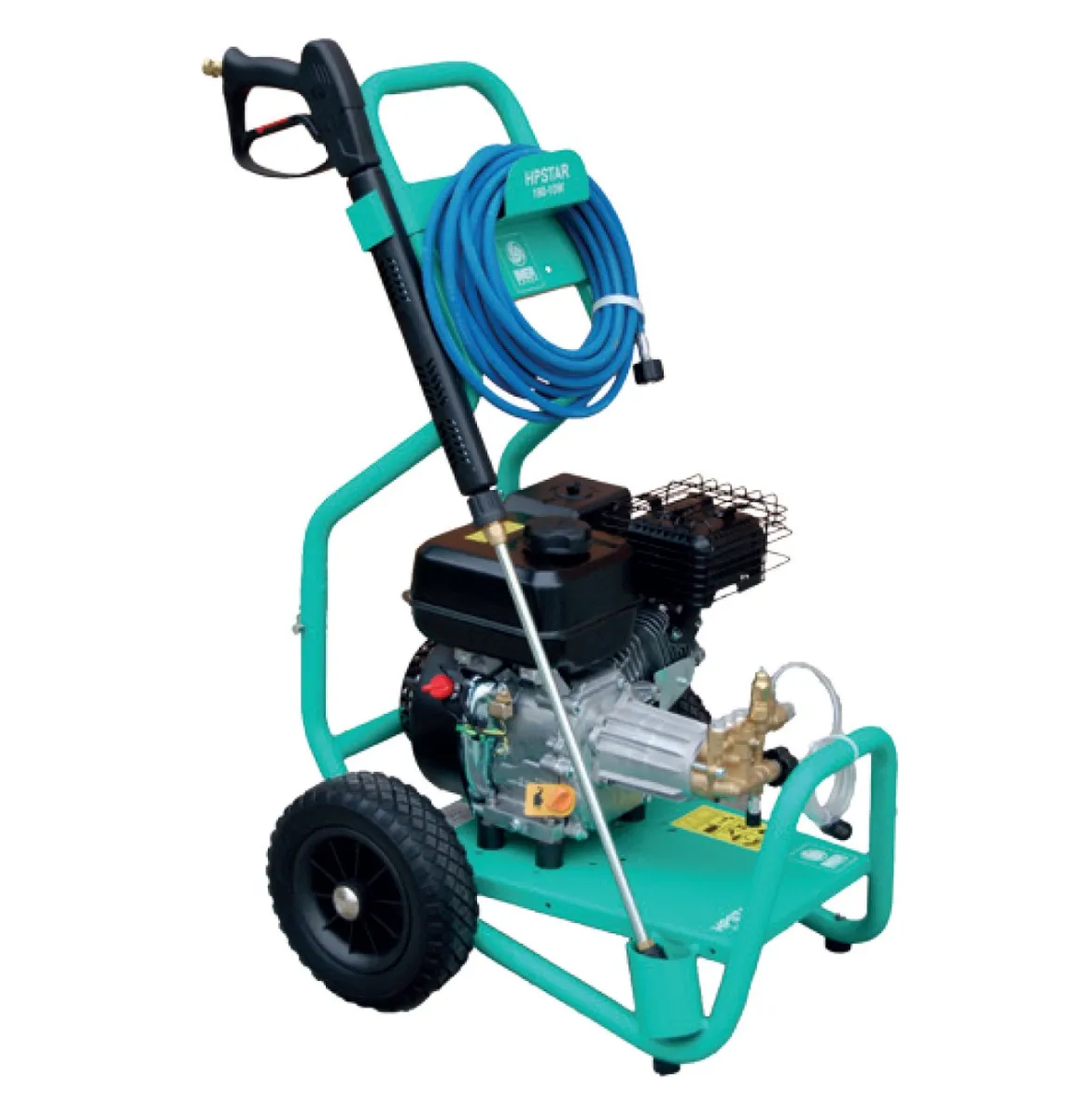
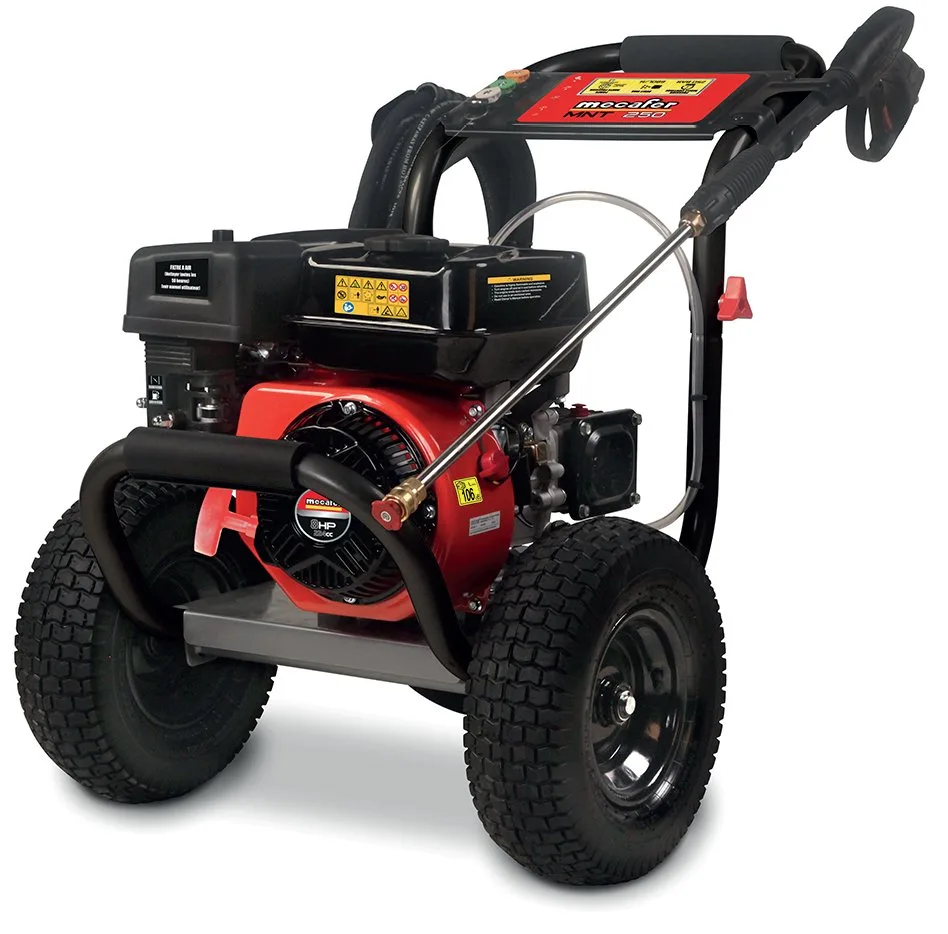
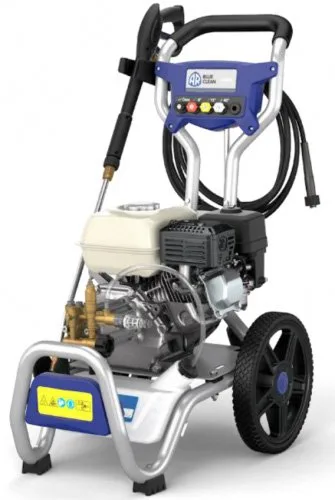
Electric and petrol pressure washers, manual, battery-powered and mechanical sweepers, self-propelled brushes, sandblasters and sandblasting cabinets: cleaning equipment for workshops, roads and farms. Pressure, flow rate and power source are specified on each product page.
40 products
€1,402.58 incl. VATi.e. €1,297.48 excl. VAT
In stock€913.03 incl. VATi.e. €844.62 excl. VAT
In stock€1,411.05 incl. VATi.e. €1,305.32 excl. VAT
In stock€1,369.55 incl. VATi.e. €1,266.93 excl. VAT
In stock€1,078.21 incl. VATi.e. €997.42 excl. VAT
In stock€1,327.22 incl. VATi.e. €1,227.78 excl. VAT
In stock€4,233.16 incl. VATi.e. €3,915.97 excl. VAT
In stock€3,569.14 incl. VATi.e. €3,301.70 excl. VAT
In stock€2,572.27 incl. VATi.e. €2,379.53 excl. VAT
In stock€480.59 incl. VATi.e. €444.58 excl. VAT
In stock€576.88 incl. VATi.e. €533.65 excl. VAT
In stock€660.72 incl. VATi.e. €611.21 excl. VAT
In stock€1,494.05 incl. VATi.e. €1,382.10 excl. VAT
In stock€696.39 incl. VATi.e. €644.21 excl. VAT
In stock€746.21 incl. VATi.e. €690.29 excl. VAT
In stock€1,327.22 incl. VATi.e. €1,227.78 excl. VAT
In stock€1,743.06 incl. VATi.e. €1,612.45 excl. VAT
In stock€380.99 incl. VATi.e. €352.44 excl. VAT
In stock€248.18 incl. VATi.e. €229.58 excl. VAT
In stock€655.72 incl. VATi.e. €606.58 excl. VAT
In stock€480.59 incl. VATi.e. €444.58 excl. VAT
In stock€331.18 incl. VATi.e. €306.37 excl. VAT
In stock€1,078.21 incl. VATi.e. €997.42 excl. VAT
In stockBuying guide
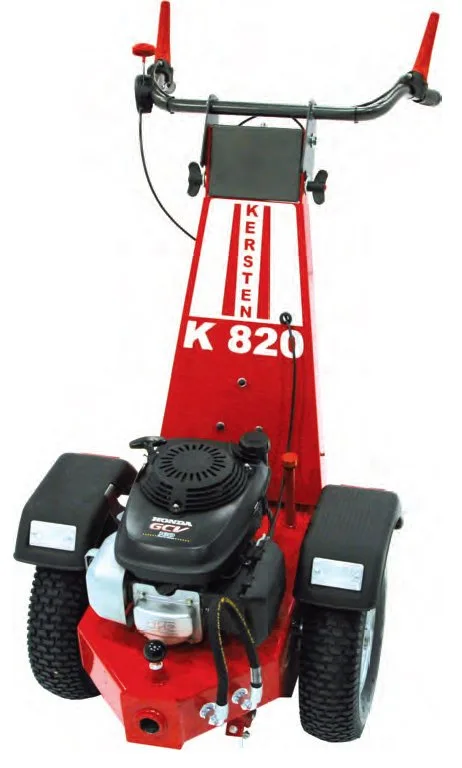
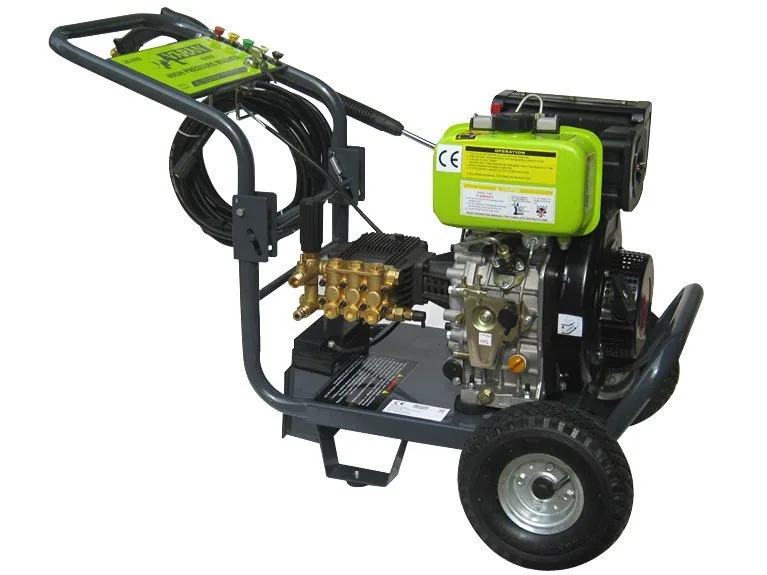
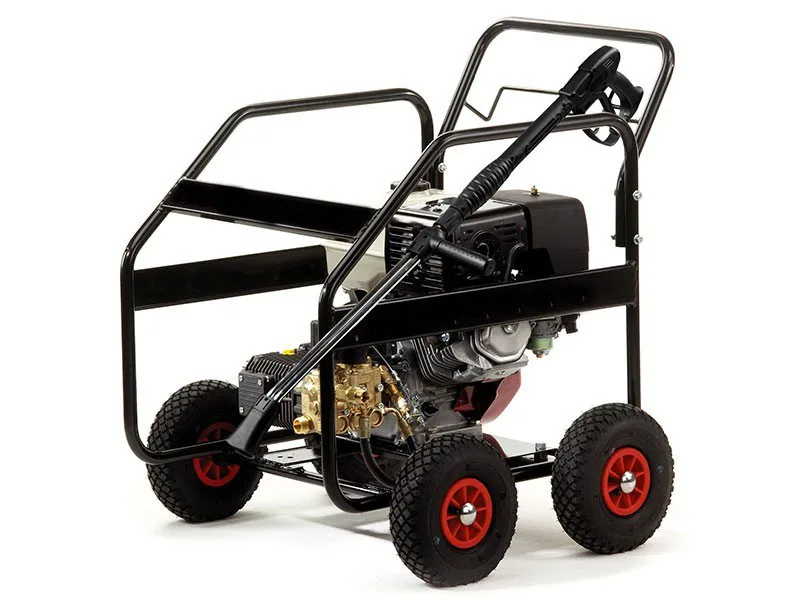
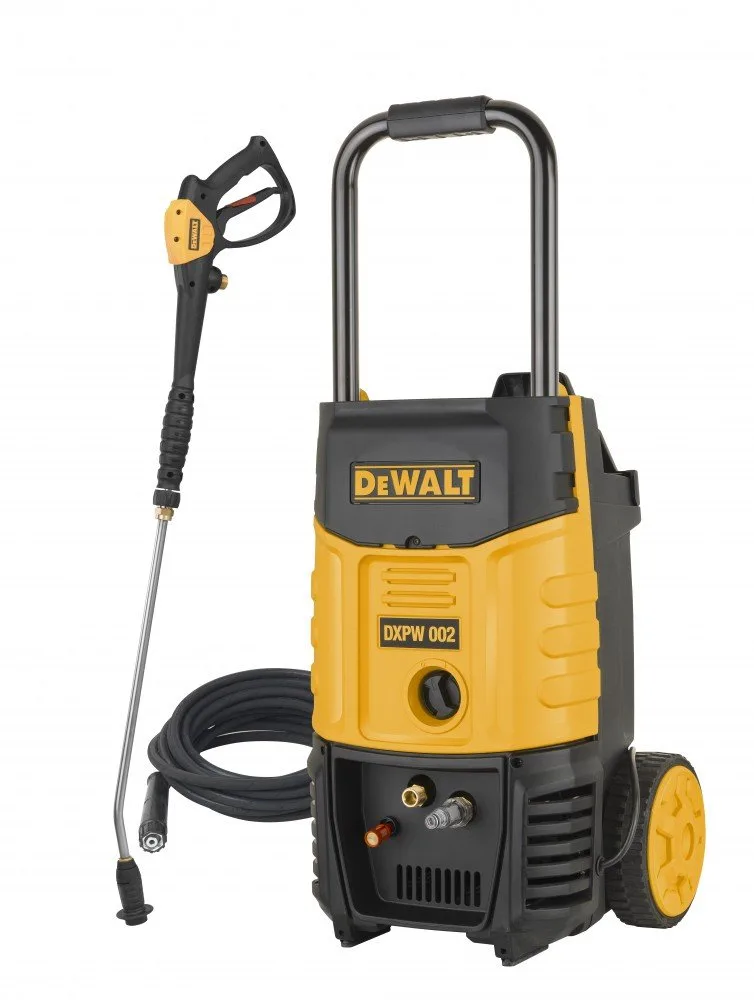
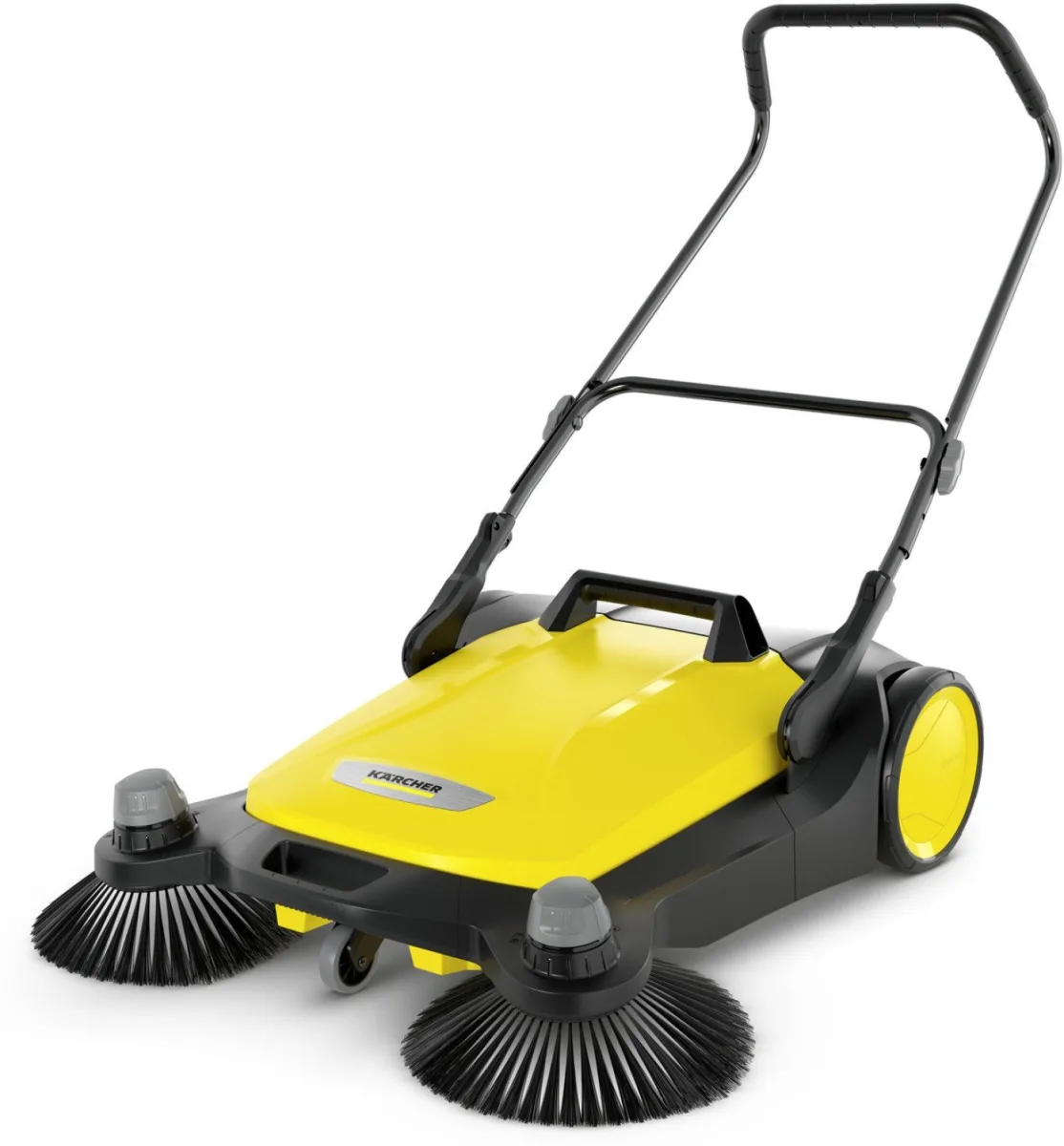
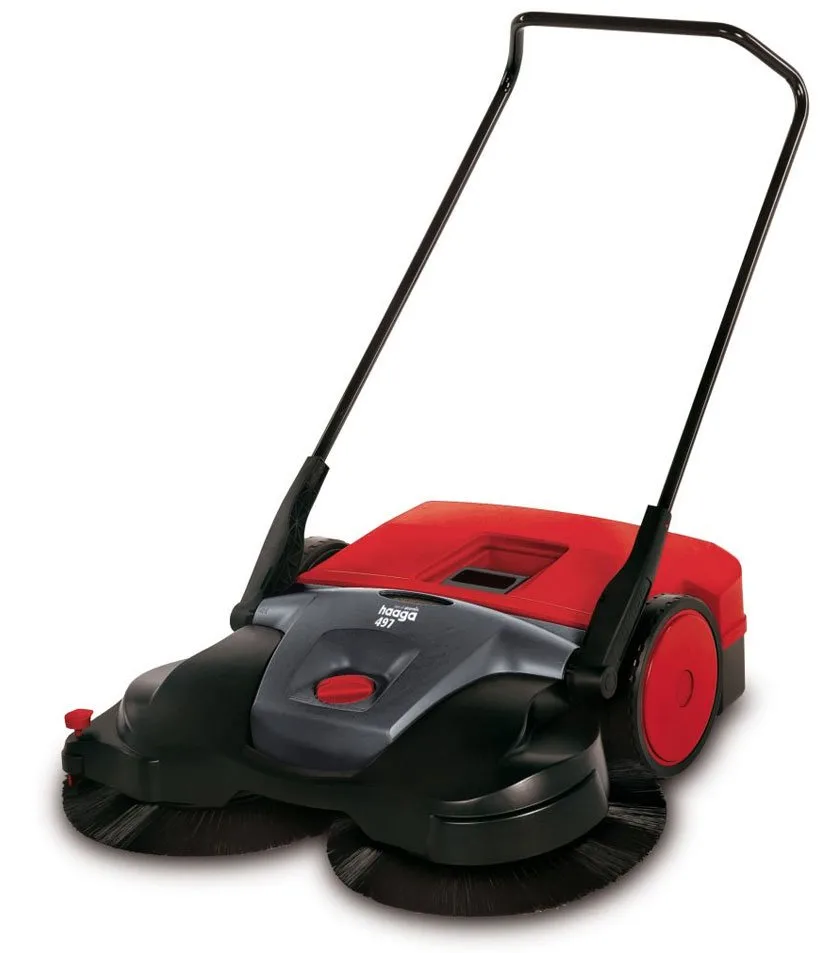
This category brings together cleaning equipment for workshops, yards, roads and farms. You will find electric or engine-driven pressure washers (petrol or diesel), manual, battery-powered or engine-driven sweepers, some with a snow blade, and a self-propelled rotary brush. For surface preparation, the category offers mobile sandblasters, sandblasting kits with compressor, sandblasting cabinets, glass bead blasters and a shot blaster.
Pressure, in bar, helps to loosen dirt, while flow rate, in litres per hour, is used for rinsing and working faster. The models shown range from around 155 to 250 bar.
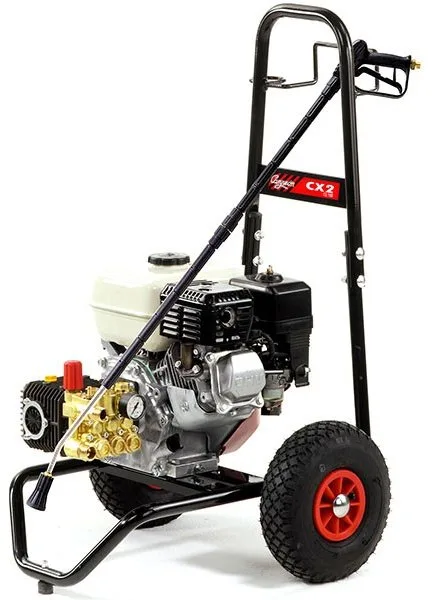
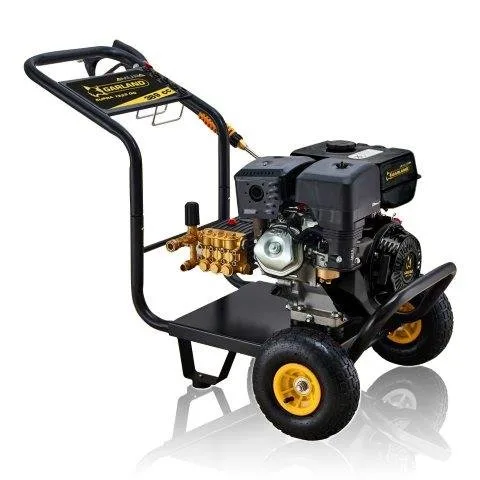
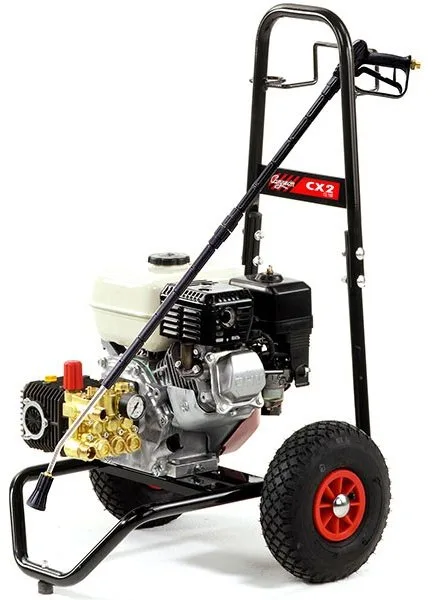
An electric pressure washer is used near a socket, often for regular use in a workshop. A petrol model works without an electrical connection and is suitable for construction sites or remote locations.
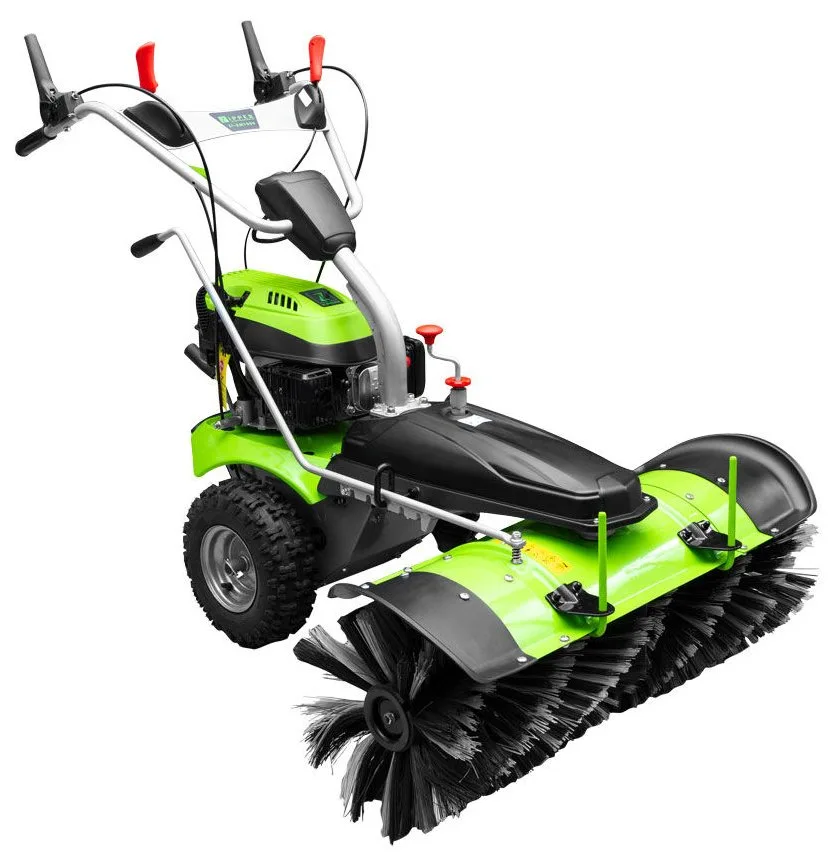
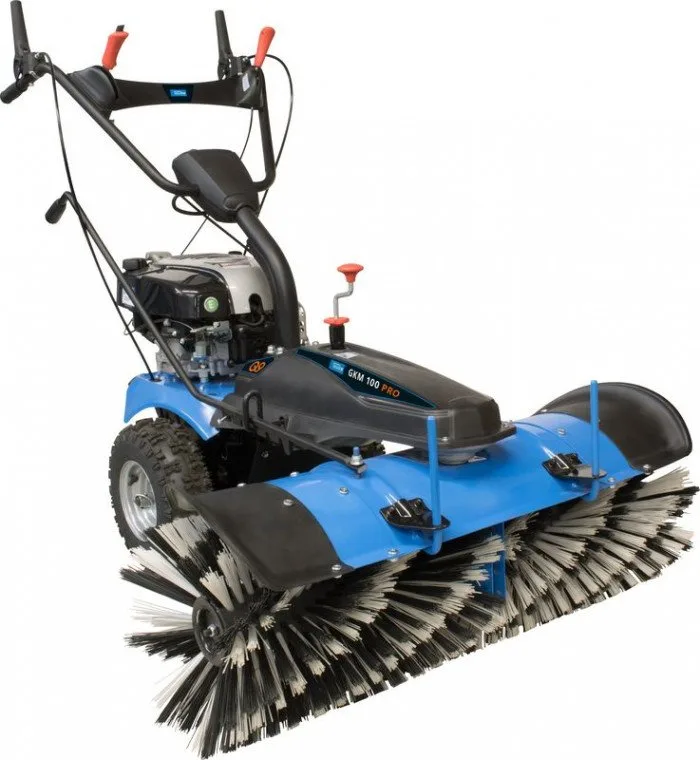
For a sweeper, the working width (from 70 cm to 1 m in this category) determines the area covered with each pass. A greater width suits large open areas.
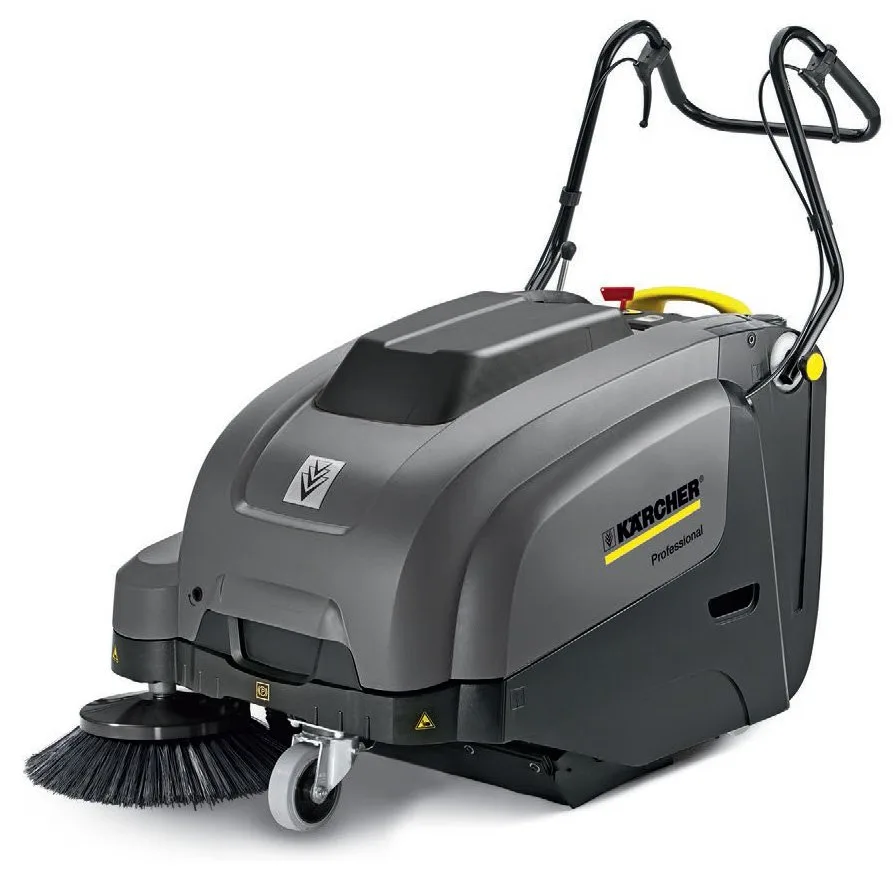
A manual sweeper is suitable for small areas, a battery-powered sweeper reduces effort and noise, and a petrol sweeper is suited to large outdoor areas. Some petrol models accept a snow blade.
A mobile sandblaster, from 38 to 106 litres, is moved to the workpiece. A sandblasting cabinet, from 220 to 1,200 litres, is suitable for parts that can be placed inside and limits the dispersal of abrasive.
Both matter. High pressure removes ingrained dirt, while a high flow rate rinses large surfaces more quickly. For intensive use, compare both values on the product page.
The mobile sandblaster suits bulky or fixed parts, such as a structure or a vehicle. The cabinet is suited to smaller parts and allows the abrasive to be recovered. Both require a suitable compressed air supply.
Several of the booths shown run on 230 V, in particular for lighting or dust extraction. Compressed air is supplied separately by a compressor.
Sandblasting projects particles and produces dust. Wear suitable protection, particularly for the eyes, airways and hearing, and work in a ventilated area.
Need personalised advice? Call us on +33 2 48 37 21 17 (Monday to Friday, 9 am – 6 pm) or write to us.